Kundalini Yoga
Integrating the practice
Kundalini Yoga is not just what happens on the mat—it’s what unfolds after. Once the krya ends, the real alchemy begins. Emotions rise. Energy moves. The nervous system recalibrates. And slowly, moment by moment, the shape of your life begins to change.
This is the sacred space of integration—where your body becomes the altar, your relationships the teachings, and your everyday life the practice. This post offers guidance on grounding, anchoring, and embodying your experience with grace, clarity, and community.
Daily Sadhana:
The Practice that Becomes You
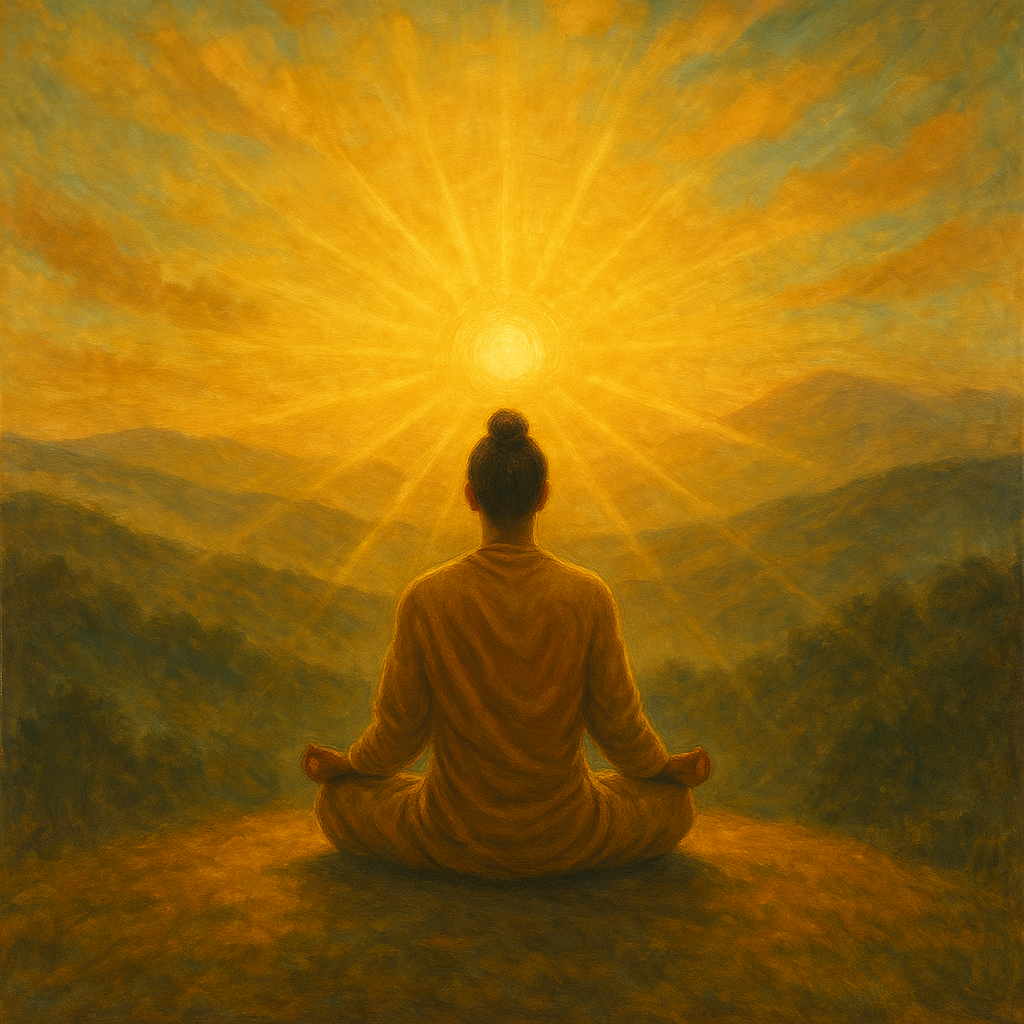
Your sadhana is your daily spiritual discipline—it is your anchor, your tuning, your sacred offering. It’s not just something you do; it’s something you become. Through the repetition of breath, movement, and mantra, sadhana clears the fog of the mind and brings the soul to the forefront.
But in time, as the ego softens and devotion deepens, sadhana becomes aradhana—practice becomes worship. No longer effortful, the practice becomes reverence. You begin to show up not to fix yourself, but to honor the Infinite within.
And when this offering becomes your default state—when every breath, every word, every action flows from that inner altar—you enter prabhupati, the stage where the Universe bows to you, because you have bowed fully to the Divine. Life itself becomes a continuous sadhana. Not separate from practice, but drenched in it.
Emotions as Energy in Motion: Honoring the Shadow
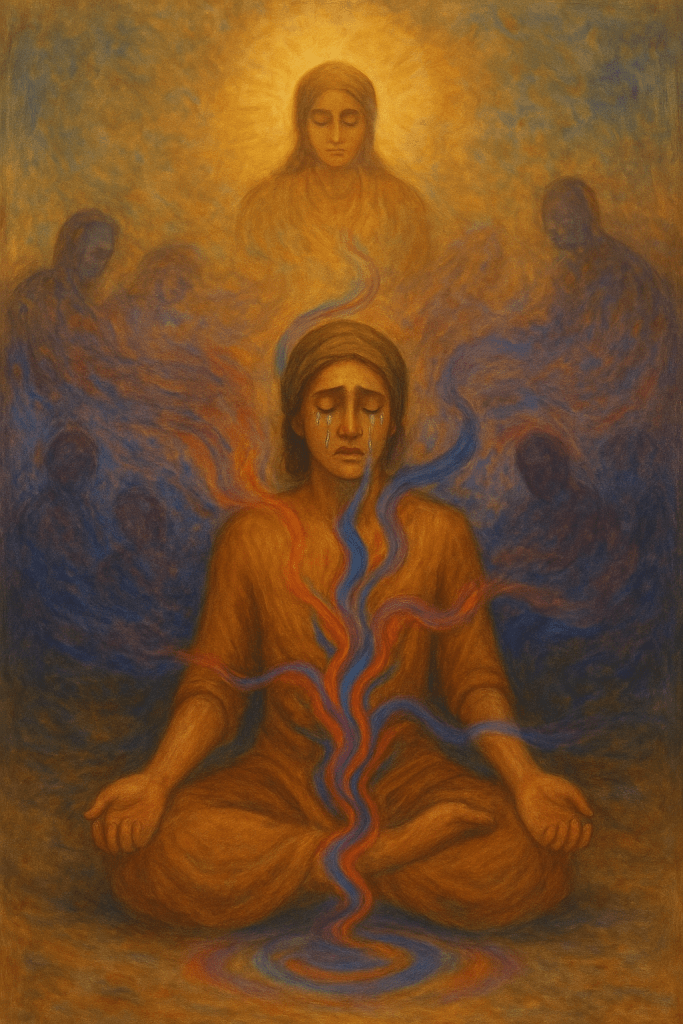
Kryas awaken trapped energy—including suppressed emotions, traumas, and shadow patterns. Instead of avoiding them, we learn to meet them with breath and awareness. Emotions are energy-in-motion, and when we feel them fully, they transmute.
In a conscious community, we normalize this. We honor grief. We celebrate catharsis. We don’t shame the mess. And this is where community support becomes essential…
Community Support:
Circles of Integration
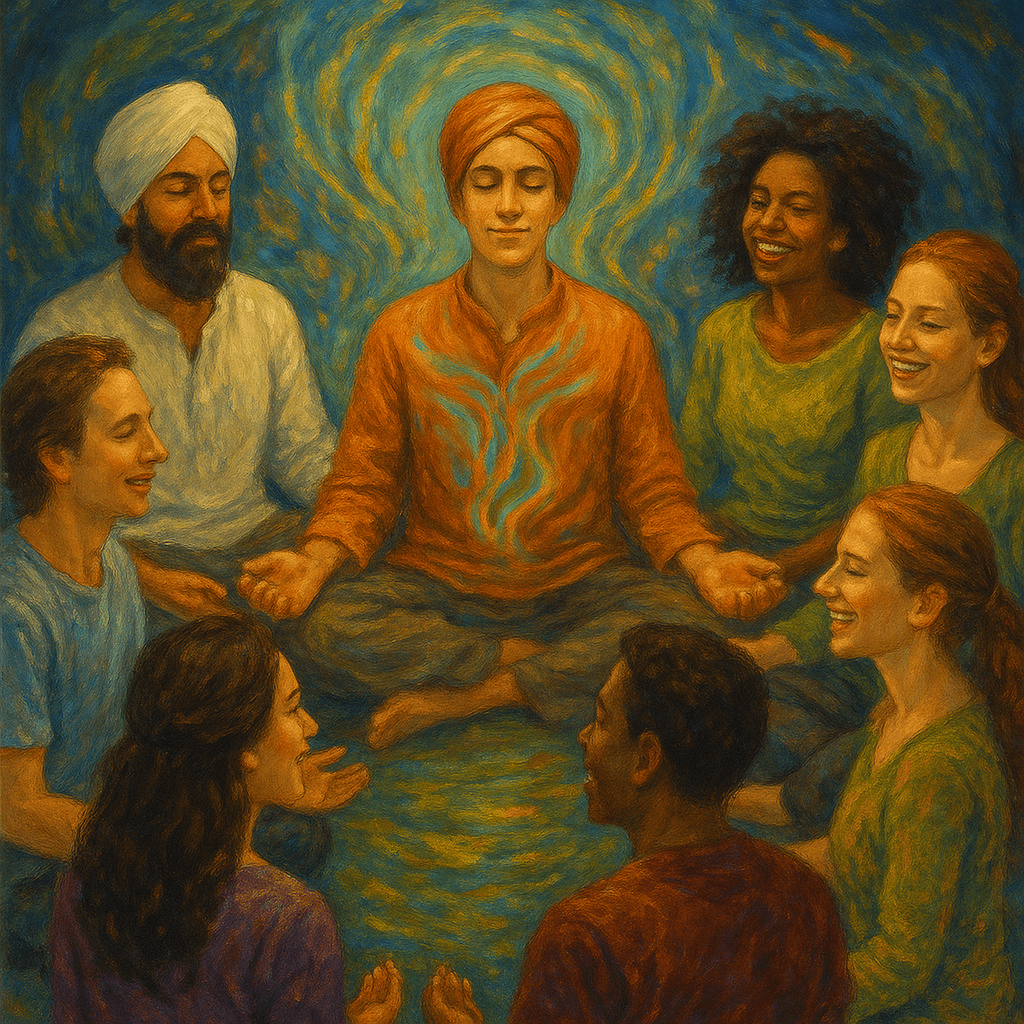
In this next evolution of Kundalini Yoga, we encourage both gendered (men’s & women’s) and non-gendered support circles to form within class culture. These spaces invite deeper reflection, emotional unpacking, and peer-led healing.
After Krya practice, holding space for sharing—either with a partner, small group, or open circle—can help transmute intensity into clarity.
Topics to explore in circle:
- What came up in your body during practice?
- What emotions moved or surfaced?
- Where do you feel stuck or numb?
- What felt powerful or liberating?
We recommend every teacher and practitioner encourage these integration circles at least monthly to build resilience, empathy, and sacred trust.
Post-Krya Practices:
Grounding the Insight
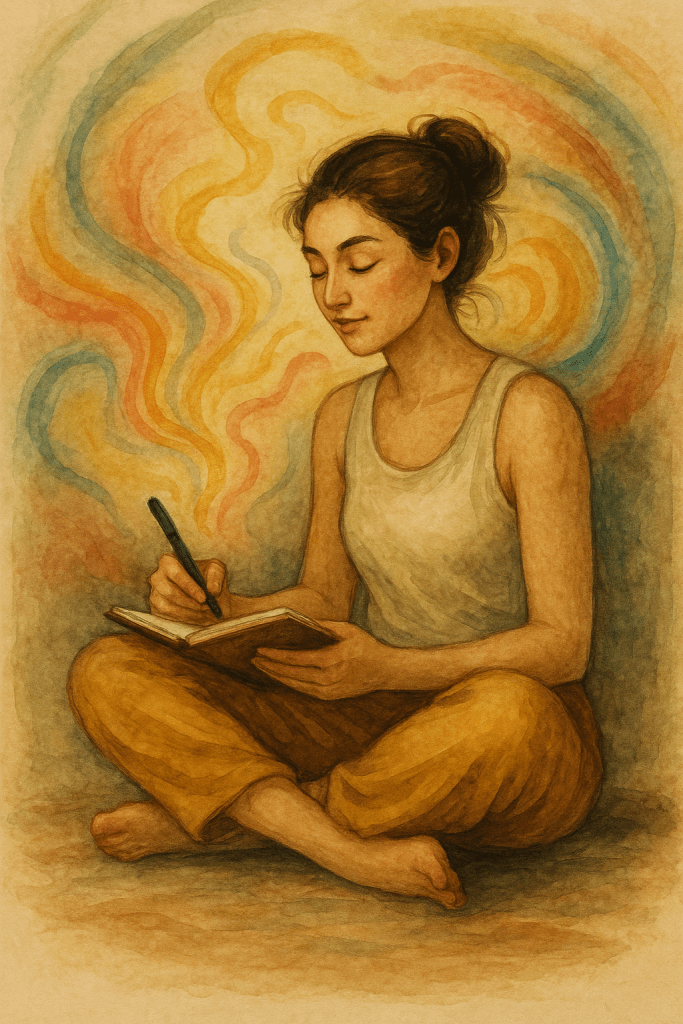
After practice, you are porous. Your field is open.
What you do in the next 10–30 minutes matters.
Try these post-krya integration tools:
- Journaling: What did I feel? What am I remembering?
- Silence: No phone, no rush. Just breathe and be.
- Devotional Acts: Lighting a candle, singing a mantra, or offering gratitude.
Even walking barefoot on the earth or taking a cold shower can help ground the awakened energy into your body.
Nourishment & Alignment:
Food is Frequency
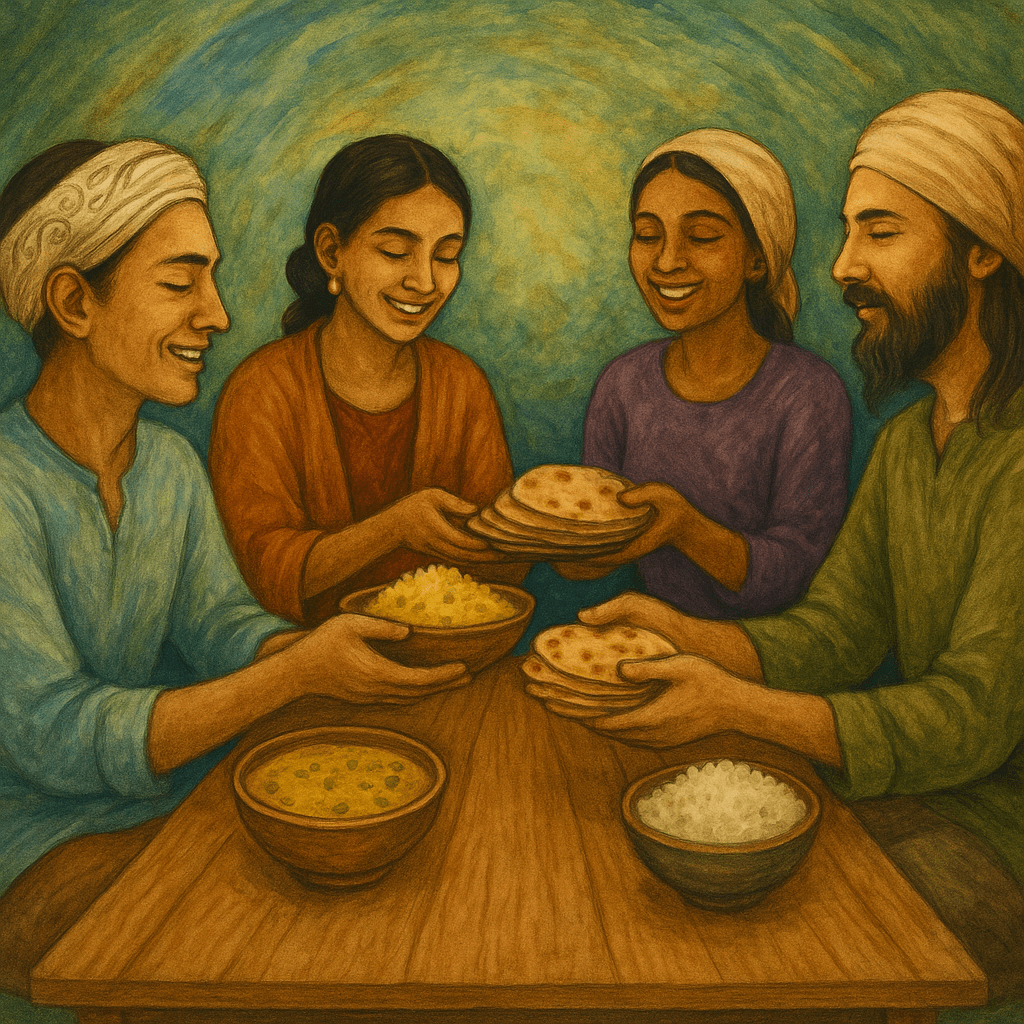
What we consume is not just nutrition—it’s vibration. A sattvic (pure, light) diet supports clarity and inner stillness.
Integration-aligned eating includes:
- Fresh fruits and vegetables
- Whole grains, ghee, and clean water
- Limiting stimulants (like caffeine) or heaviness (like meat/dairy) during deep practice phases
You may also explore basic Ayurvedic principles to learn your dosha and eat in harmony with your elemental nature.
Resources
For deeper support, we encourage students to explore trauma-informed tools and modalities that complement their Krya journey:
- Books:
- The Body Keeps the Score – Bessel van der Kolk
- Healing Developmental Trauma – Laurence Heller
- Waking the Tiger – Peter Levine
- Nonviolent Communication – Marshall Rosenberg
- Somatic Therapy directories
- Group programs like:
- Resmaa Menakem’s healing circles
- The Compassionate Inquiry method by Gabor Maté
- The Sacred Sons / Global Sisterhood for gendered healing spaces
- Open Path Collective for affordable therapy
Integration is healing. You don’t have to do it alone.
 Yogi Chand Tagdeep
Leave a comment